Our ambition is to contribute to the transformation of the offshore energy industry through innovative, efficient and sustainable solutions, accelerating the transition to a cleaner, more efficient energy mix aligned with global decarbonization targets.
|

|

|

|
|
|

|
|
| Fuel type | Low Sulfur Fuel Oil @ 20°C | Liquefied Natural Gas @ -162°C | Ethanol @ 20°C | Methanol @ 20°C | Ammonia @ -33°C | Liquid Hydrogen @ -253°C | Compressed Hydrogen 350 bar |
| Key considerations | Standard tank arrangement | Cryogenic system |
Lower toxicity compared to methanol
Flexible tank arrangement |
Mildly toxic Flexible tank arrangement |
Toxic Corrosive |
Highly flammable Cryogenic system |
High pressure Multiple tanks arrangement Highly flammable |
| Regulation readiness |  |
|
|
|
 |
 |
|
| Volumetric energy equivalent | 1x | 1.6x | 1.7x | 2.3x | 2.9x | 4.3x | 11.7x |
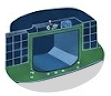
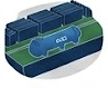
| Tank hold space compartment volume | 1x | 1.7x–2.4x* | 1.3x | 1.7x | 3.9x | 7.3x | 19.5x |
Gross tank estimations based on Wärtsilä experience considering inspection spaces needed around the tanks. Cylindrical tanks only considered for LNG, if stored in a prismatic tank, the LNG gross tank size factor is more favorable than for methanol.
* Membrane tanks: 1.7x; type C tanks: 2.4x.
“Our ambition is to contribute to the transformation of the offshore energy industry through innovative, efficient and sustainable solutions, accelerating the transition to a cleaner, more efficient energy mix aligned with global decarbonization targets.”

By betting on ethanol as an alternative for the future of offshore shipping, Oceanity is embracing a solution with strong ties to Brazil and the potential to reposition the maritime industry from a more sustainable and innovative perspective.
More than a technological choice, this is a vision for the future: building a fleet prepared to lead and drive a new generation of more efficient and sustainable offshore operations.
